


The Institute
The Institute for Pharmacology and Toxicology (IPT) is located in the Biomedical Centre 1. The building was built in 2009 and assembles various institutes of the field of life science at the university and the university hospital Bonn.
Since 2006, the Institute for Pharmacology and Toxicology has been headed by Prof. Dr. Alexander Pfeifer.
Our research groups
At our institute one can find three research groups. While the topic of "metabolism" serves as a common focus, each research group focuses on a specific aspect of this broad subject area.
Pfeifer group
Alexander Pfeifer has a long-standing interest in cellular signaling, molecular pharmacology and academic drug research. He has been doing pioneering work in the field of purinergic signaling and the NO/cGMP pathway as well as contributed to the field of G-protein coupled receptors. For several years, he has studied these pharmacologically important signaling pathways to identify drug targets and to develop novel therapeutic approaches. A major focus of his research lies on metabolic diseases and energy homeostasis. He is speaker of the DFG-funded Collaborative Research Center CRC/TRR333 “BATenergy”.
Another important topic of his research is gene and drug delivery, where he is focusing on lentiviral vectors and nanoparticles to deliver genetic material and drug molecules respectively, to target specific cells and tissues. He was also the speaker of the DFG Research Unit FOR917 and the DAAD Strategic Network Europe-Japan on multimodal nanoparticles.

von Kügelgen group
Ivar von Kügelgen focuses on purinergic transmission and the molecular pharmacology of P2Y receptors and related orphan receptors. He is highly interested in the clarification of the physiological as well as pathophysiological roles of these receptors and their molecular pharmacological properties.
Li group
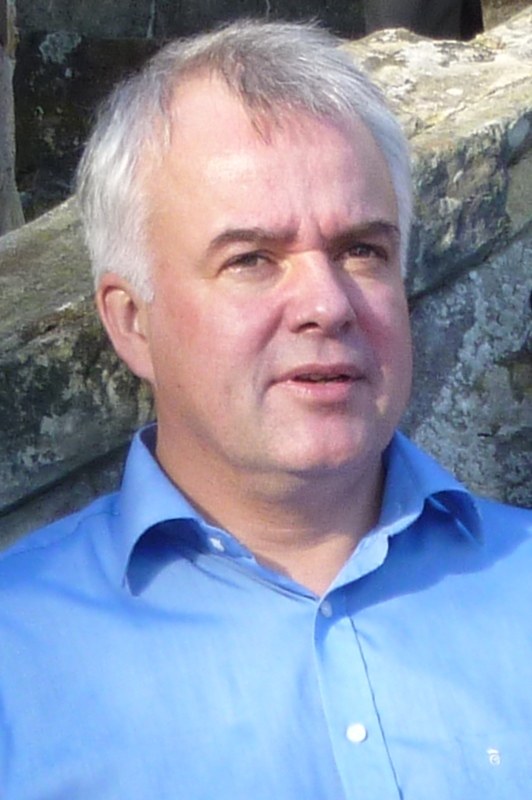
Yongguo Li has strong expertise in pharmacologically targeting GPCRs and GPCR signaling, especially Gs-coupled cAMP signaling, in metabolic diseases such as obesity and diabetes. His group employs a combination of state-of-the-art molecular technologies, organoids, and pharmacological screening to study the role of GPCR/cAMP signaling on fat metabolism to reveal druggable GPCRs and potential drugs that target them. The central research goal is to unravel potential therapeutically targetable mechanisms and promising drugs, which have fundamental implications for achieving metabolic health and combating metabolic diseases such as obesity, diabetes, and cardiovascular diseases.”

Wang Group
Tongtong Wang investigates adipose tissue heterogeneity under diverse physiological and pathological conditions. She and her working group focus on how this heterogeneity impacts energy expenditure, adipocyte metabolic function, and the progression of obesity. To achieve this, her group employs a cutting-edge, multi-omics approach that integrates spatial transcriptomics, spatial metabolomics, and single-cell functional genomics. This combination allows them to simultaneously map gene activity, metabolic profiles, and cellular functions directly within the tissue's complex microenvironment. By elucidating the fundamental mechanisms of adipose tissue, the ultimate goal is to identify novel and effective therapeutic targets to combat obesity.
The Collaborative Research Center (CRC) TRR333 BATenergy
The German Research Foundation (DFG) funds "BATenergy" CRC/TRR333
The CRC investigates metabolism/diabetes and focuses on brown adipose tissue. Adipose tissues are organized in two functionally distinct types, brown adipose tissue (BAT) and white adipose tissue (WAT). In contrast to white adipocytes, brown fat cells are specialized to dissipate energy in the form of heat (thermogenesis). Importantly, human BAT activity correlates with leanness and a beneficial cardiometabolic profile. This consortium focuses on the regulation of thermogenesis: 1) the organ crosstalk between gut, liver, muscle and thermogenic adipose tissues, 2) the cell-cell communication within brown and beige fat, and 3) the interaction of cell organelles and intracellular signalling pathways in brown/beige adipocytes. For this purpose, advanced omics technologies, cell culture systems of murine and human adipocytes, and novel transgenic mouse models will be used to provide comprehensive molecular mechanistic insight into the regulation of thermogenic energy metabolism. The mid- and long-term goal is to establish new therapeutic approaches for the treatment of metabolic disorders.
In Summer 2026, the DFG has renewed funding for our consortium for a second funding period.


The biomedical centre
The building consists of three parts: the four-story lab section, the four-story office section and two lecture halls. They are all connected via a shared hall.


Access to the office and lab section is enabled via ladders and bridges, which connect the lab wing with the office wing.
There is also a small bistro located in the BMC 1.
The IPT is situated on the second floor. The lab section is distributed over several stories, among them S2 labs.
Directions and site map
Location of the biomedical centre on the Venusberg, Bonn:
Building 13, Venusberg-Campus 1, 53127 Bonn (across the emergency room)
Contact
Prof. Dr. Alexander Pfeifer
Venusberg Campus 1
53127 Bonn